Category: Conferences

  • St Mary’s Twickenham Conference on Memory and the Reception of Jesus in Early Christianity

    St Mary’s Twickenham Conference on Memory and the Reception of Jesus in Early Christianity

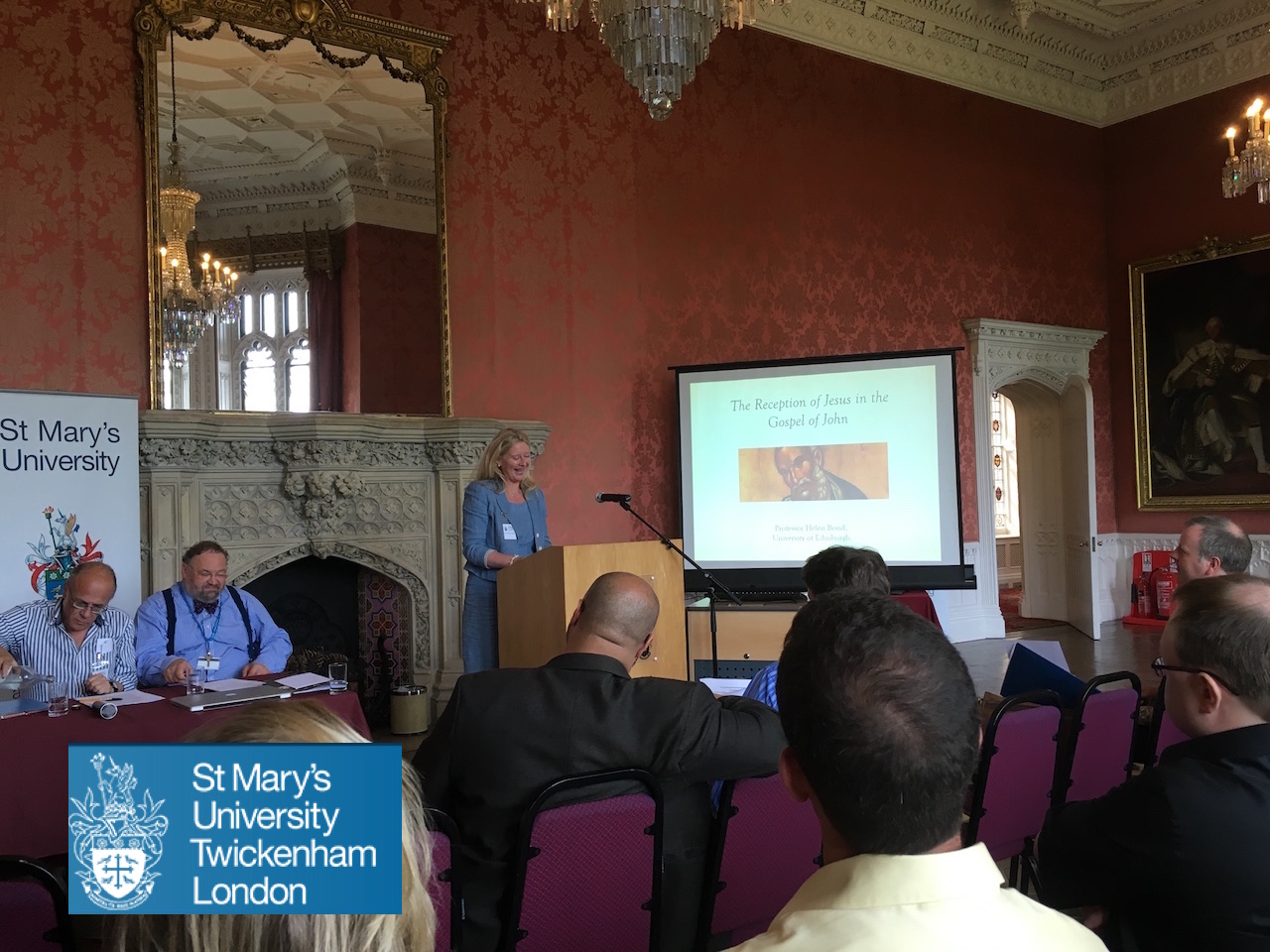
    Rather than doing a summary for each day I am writing a single summary for the conference, as I travel up to Oxford. The past day and a half of this conference have been stimulating and engaging, with it revolving around paired longer plenary papers and longer breaks for discussion and networking. Unfortunately Chris Keith could not be at the conference, as his mother had passed away, and so the conference opened with his paper being read by Steve Walton, which gave a good lay of the land.

    Instead of commenting on each paper, I will highlight a few thematic aspects that I believe warrant further discussion. The first, and primary discussion point for the conference was the status of the ‘memory approach.’ Is it truly a method, or is it a way of confirming other methodological approaches. Across the range of presenters there was a similar range of interpretations and understandings of whether Memory Theories can be considered a methodological approach. This is certainly another area that deserves further investigation and debate.
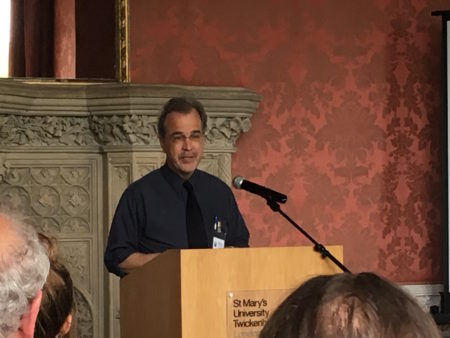
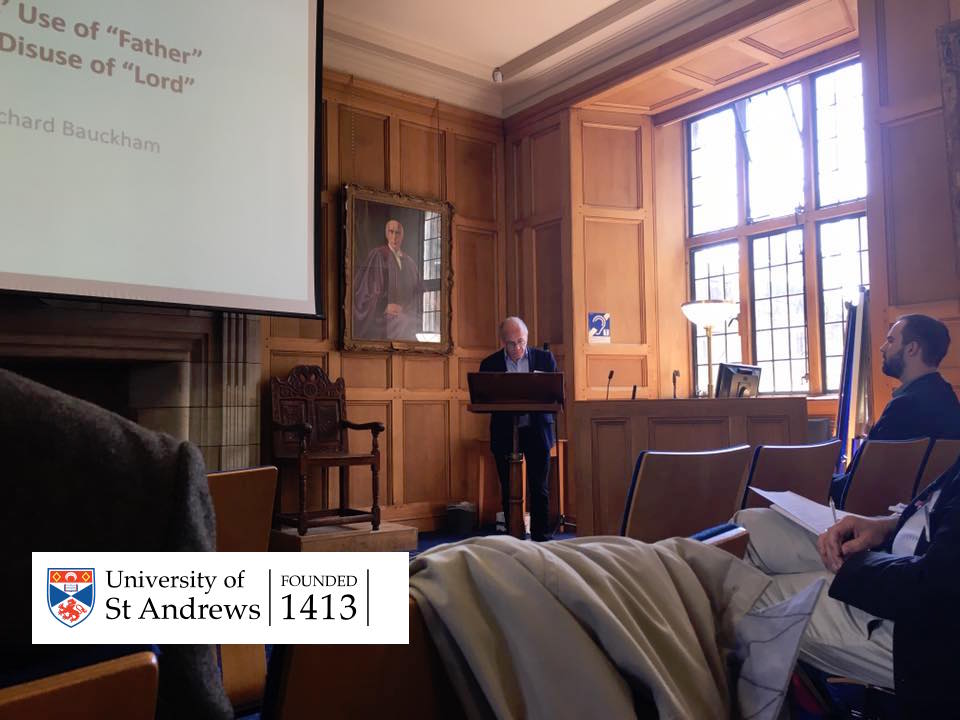
    IMG_4149The second major theme was the place and category of memory and the interaction with the psychological research. While Richard Bauckham presented on personal eyewitness memory, his paper was perhaps the odd one out with other papers primarily considering social and corporate approaches to memory. Throughout all of the discussions I think there is significant room to build a more robust theory and engagement with the theory and interaction between personal, social and corporate memory at the cognitive and socio-cognitive level–as Anthony LeDonne highlighted in his summary paper.

    Finally, while some papers addressed the overlap between memory and identity, I feel this is another area that is somewhat undertheorised, and would benefit from further engagement.

    Overall this was an engaging conference, and the structure lent itself to robust discussion and debate. Quite enjoyable.

    Programme here: Memory Conference Programme FINAL
  • St Andrews Son of God Symposium – Summary Day 3

    St Andrews Son of God Symposium – Summary Day 3

    The third day of the symposium was only a half day, and revolved around three plenary sessions.

    Reinhard Kratz opened the morning with an in depth paper looking at the parallels between 4Q246 and the Old Testament backgrounds that it presumes and envelops. This paper expanded and explored aspects of metalepsis in the DSS that George Brooke set out the framework and groundwork for in the fourth plenary on the first day.

    Jan Joosten then continued with the New Testament side of the pivot, looking at how Wisdom 2:16-18 may be seen as a sort of mediator in parallels between Ps 22:9 and Matthew 27:43. These two papers together helpfully explored the Hellenisation of Jewish thought, and how scripture was used and engaged with in this context.

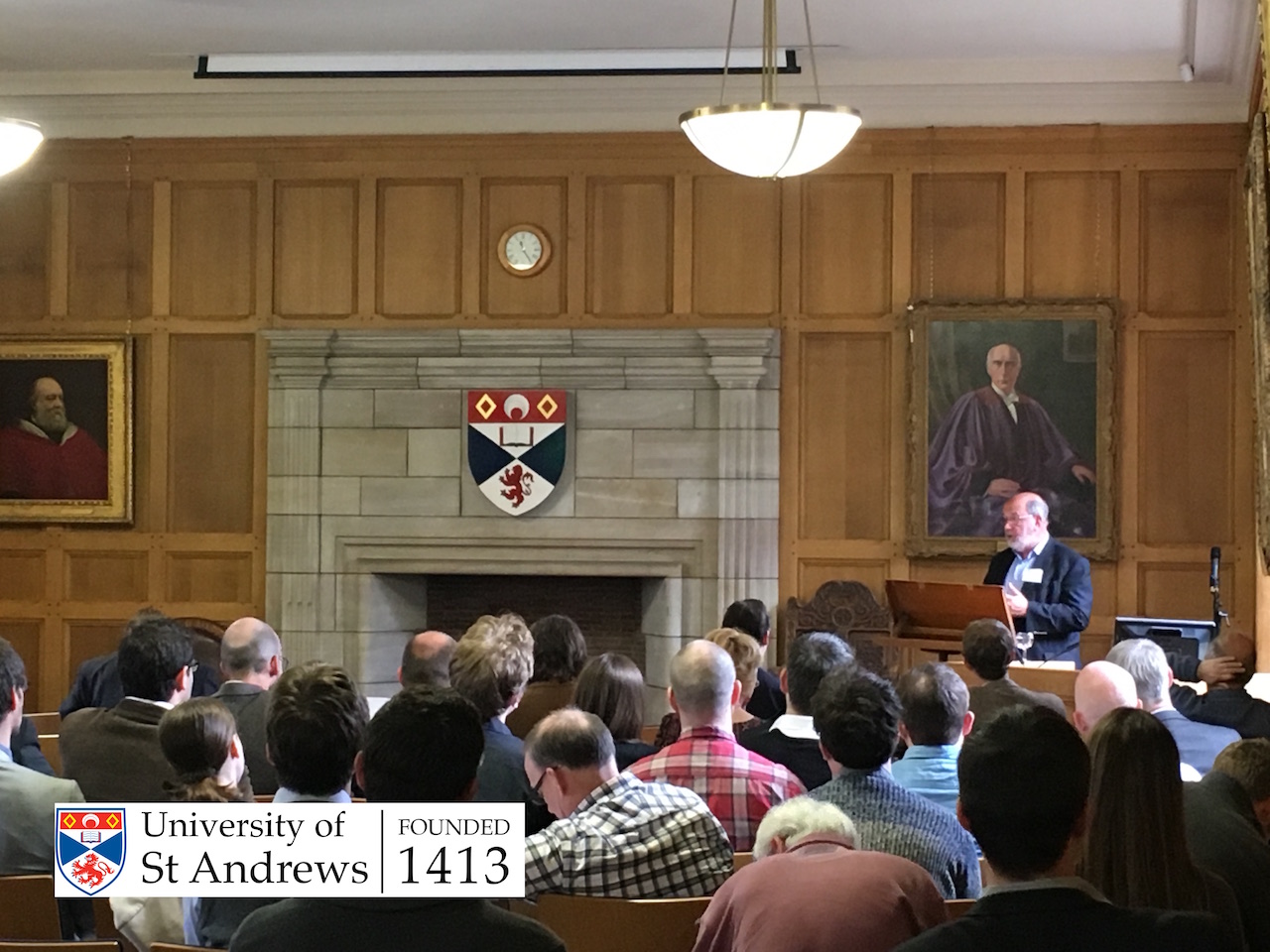
    The final paper for the conference was a sort of ‘State of the Union’ address from N.T. Wright that sought to place the conference topic within the broader history of research, and offer some suggestions of where research should continue. Notable points here include the note of challenge in observing that ‘Early Christology is Confrontation not Derivation’ and his continued emphasis on Temple shaped Christology (as is present in the Christian Origins works). In some ways this paper could have been split into book ends that introduced and closed out the conference, but coming at the end provided a good ‘where to from here’ engagement for the symposium.

    All in all a great conference, and very well organised by the research students at St Andrews. Well done.

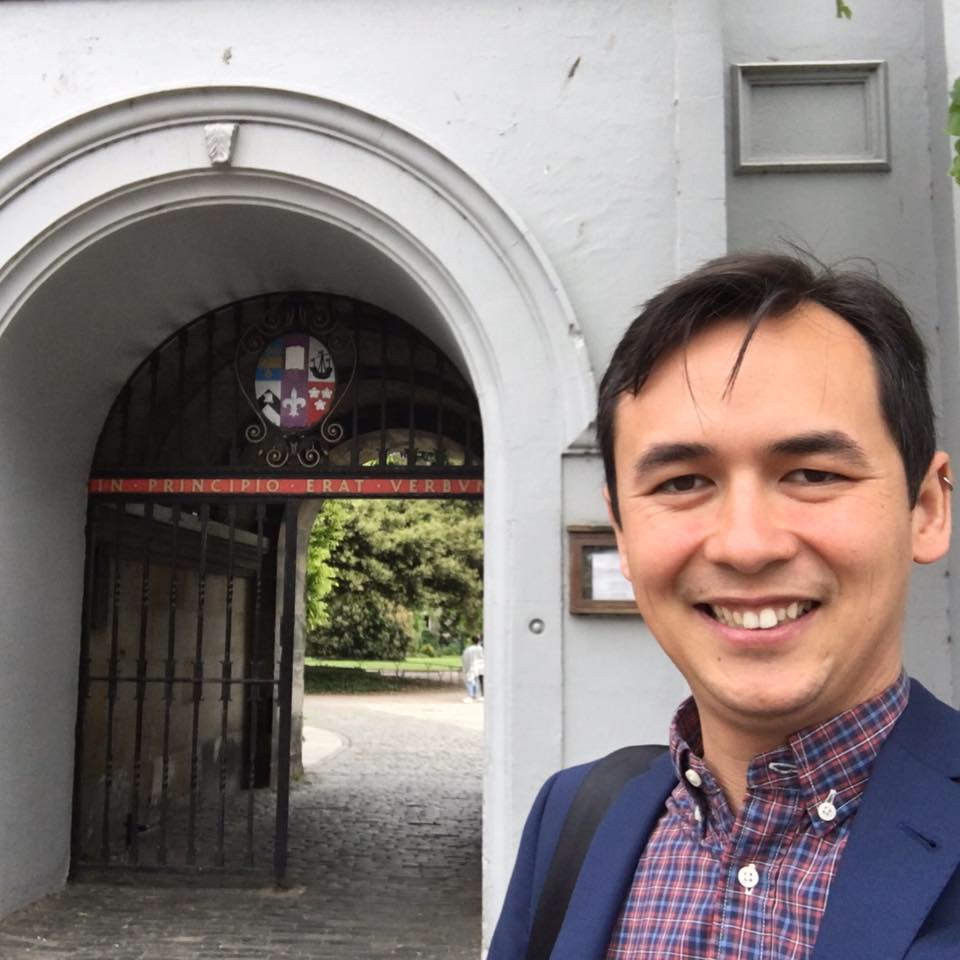
    After the conference I had a bit of time to catch up with Ken Mavor (a previous tutor/teacher at ANU) and Stephen Reicher to talk Social Identity Theory for a while. One of the great things about St Andrews is that the Schools of Psychology and Divinity share the same quad, and so there is space to foster the overlap of disciplines. Here is a rare selfie (on this blog anyway) of the gate to that quad, Psychology on the left, Divinity on the right.

    13529058_10154106762285944_6110343906696283108_n

    Now onwards to London and the St Mary’s Conference.

  • St Andrews Son of God Symposium – Summary Day 2

    St Andrews Son of God Symposium – Summary Day 2

    Day two of the St Andrews Symposium started with a bang, as Michael Peppard presented a strong argument for the need of Christological research to engage with the pervasive imperial cult, rather than merely focusing on the Jewish origins. To put Peppard’s perspective on the imperial cult in his own words it is “not looking under every rock for Imperial ideology but acknowledging that on thousands of rocks the imperial cult is already found….” [through inscriptions]

    This second day focused more on parallel sessions, rather than plenaries, with some interesting papers from David Moffitt on parallels to Sonship Christology in Hebrews 1-2 (leveraging Umberto Eco); Mateusz Kusio on divine fictive kinship in Hebrews; David Ritsema on Jewish Divine Messiah expectations and their parallels in John’s Gospel and finally Daniel McClellan on Cognitive theories of Divine Agency (taking an internalist cognitive approach from Cognitive Models of Religion)

    Matthew Novenson gave our second plenary for the day on the topic of Sonship and the Messiah, highlighting the breadth of Messiahs who are not the Son of God, and Sons of God who are not Messiahs (presumably some in the former category are merely very naughty boys). Novenson’s overview of the interaction of messianic expectation and patronymics is an area that should be engaged with further.

    The second parallel sessions engaged with aspects of Christology and Early Christian Origins. Stefan Mulder presented a heuristic model for describing Docetism in the ancient world (a very good descriptive model); Mina Monier presented on the Christology present within the Epistle of Barnabas; Tavis Bohlinger presented on Messianism in Pseudo-Philo, and I presented on Christological Salience in the First Century.

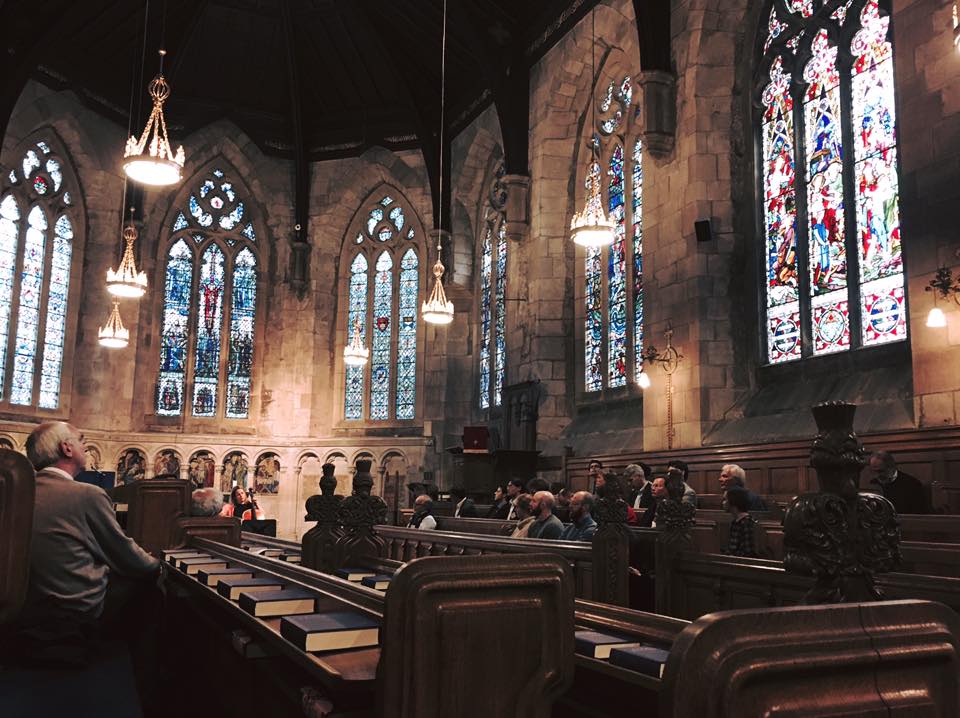
    The second day finished with a lovely string quartet concert headed by the multi-talented Madhavi Nevader, and then dinner at a local pub with plenty of stimulating and erudite conversation. Here is to another good day.

    13332878_10154064909870944_1863703367249967073_n

  • St Andrews Symposium on the Son of God – Day 1

    St Andrews Symposium on the Son of God – Day 1

    The St Andrews symposium on ‘Son of God: Divine Sonship in Jewish and Christian Antiquity’ kicked off today with a busy afternoon including four plenary sessions and a parallel session with four papers.

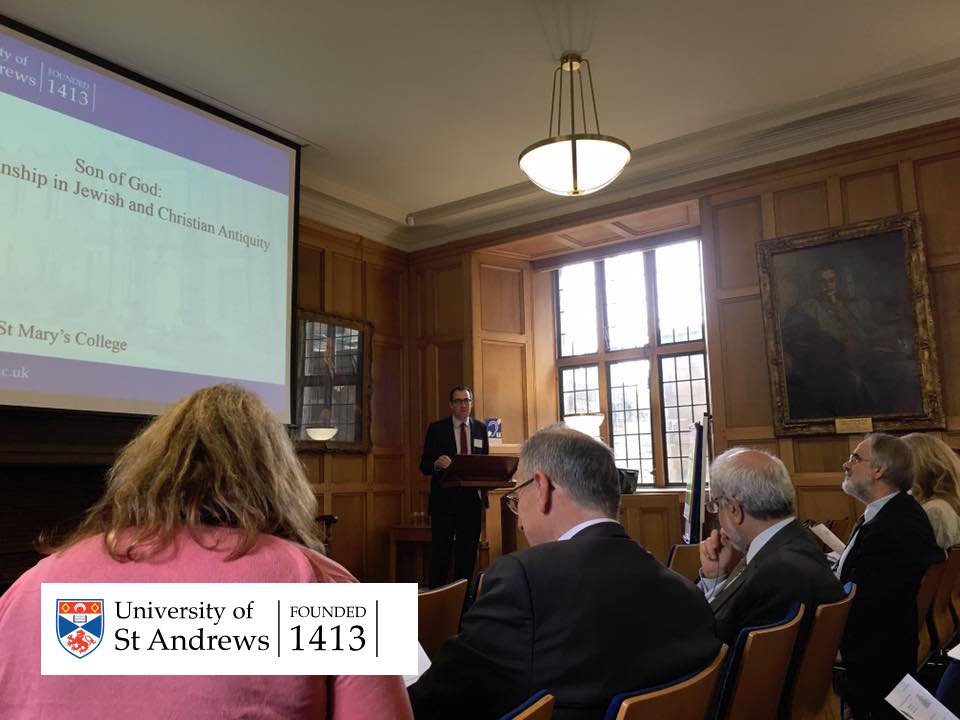
    Richard Bauckham started the day with a paper on the use of Lord  (κυριος) as a replacement for the divine name/tetragrammaton within the extant second temple literature and late Hebrew Bible. In contrast the Gospels portray Jesus as never using the titular κυριος for addressing God, but rather uses Father (abba) instead—except in Old Testament quotes and twice in Mark.

    There were a bevy of interesting papers in the parallel sessions including Crispin Fletcher-Louis advancing the thesis that Solomon’s presentation in 1 Kings 3-4 provides a partial typological fulfilment of the Adamic intentions, and therefore a resource for the paradigm of earliest Christology. Steven Muir highlighted the abba cry in Romans 8 and linked it to the ὐιοσθεσια metaphor therein; and Jarrett Van Tine provided an interesting reading of the celibacy narrative in Matthew 19 and related it to the fulfilment of the promises to eunuchs in Isaiah 56.

    Finally we rounded out the day with three plenaries on cultural and textual backgrounds to the Son of God theme. Menahem Kister looked at Son(s) of God in the Hebrew Bible, Madhavi Nevader investigated the Ancient Near Eastern context and George Brooke presented the evidence in the Dead Sea Scrolls drawing upon 4Q246.

    The day drew to a close with a few hours of conversation over a couple of pints and a dram in the local pub. Great day.